How Arborists Diagnose Sick Eucalypt Trees Effectively
Eucalypt trees form the backbone of the urban forest across Wollongong and the greater Illawarra region. From the towering Sydney Blue Gums along the escarpment to the hardy Bangalays and Blackbutts flanking coastal suburbs, these iconic natives are renowned for their strength. However, eucalypts are also vulnerable to complex stresses, fungal pathogens, and insect infestations. Diagnosing an ailing gum tree requires specialized horticultural knowledge, botanical science, and advanced testing equipment. Professional arborists rely on a systematic approach to identify underlying problems before irreversible decline or dangerous structural failure occurs.
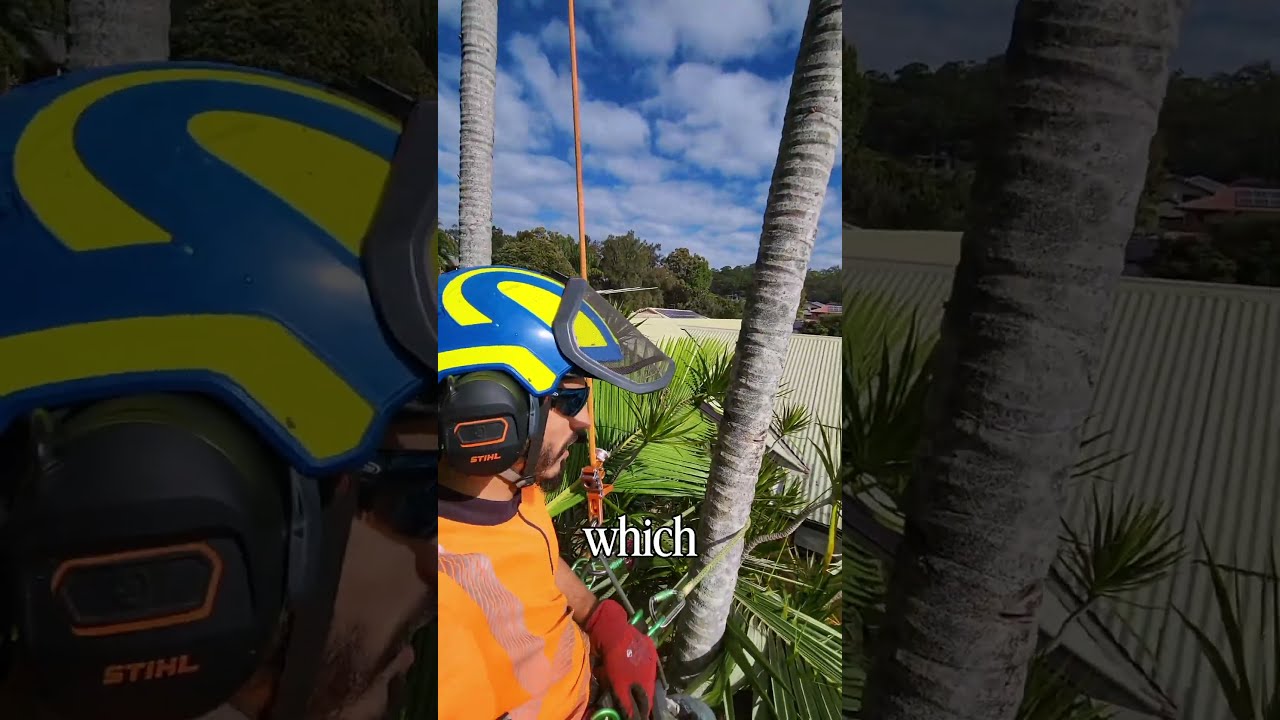
The Visual Tree Assessment (VTA) Framework
The diagnostic process begins with a standardized Visual Tree Assessment (VTA), an internationally recognized diagnostic method. Arborists systematically evaluate the specimen from a distance to observe overall form and canopy balance, then inspect specific anatomical zones: the crown, trunk, root flare, and surrounding soil.
1. Crown Architecture and Foliage Analysis
The canopy provides immediate indicators of tree vitality. A healthy eucalypt typically exhibits dense, vibrant foliage appropriate to its species. During diagnosis, arborists examine leaf health for signs of chlorosis (yellowing), necrosis (browning), or premature leaf drop. The presence of excessive epicormic growth—shoots sprouting directly from the trunk or primary limbs—frequently signals that the tree has experienced severe stress, defoliation, or internal vascular disruption. Arborists also assess canopy dieback, noting whether it https://privatebin.net/?c8660faa7152c6f7#JDp8RiYu36vxYtL1HN2XcJQsKg6P5TVegnLfQjURncG5 originates from the tips (often indicative of root stress or drought) or affects localized interior limbs.
2. Trunk Integrity and Bark Conditions
Because many eucalypt species shed their bark seasonally, reading trunk symptoms requires trained eyes. Arborists evaluate bark patterns for unusual lesions, cracking, or irregular swelling. A key symptom in sick eucalypts is the exudation of sap or kino—a dark, reddish-brown resinous fluid. Heavy kino bleeding often points to internal fungal infections, bacterial wetwood, or mechanical injury. Additionally, arborists inspect the bark for entry holes or frass produced by wood-boring insects, such as longicorn beetles or ghost moths, which frequently target physiologically weakened trees.
3. Root Collar and Surrounding Soil Conditions
Tree stability and nutrition depend entirely on the root system. Arborists inspect the root collar—the transition zone where the trunk meets the ground—by clearing away excess mulch, turf, or debris. Signs of decay, fungal fruiting bodies (such as conks or mushrooms), or girdling roots that choke nutrient flow are cataloged. Soil compaction caused by vehicle parking or construction works in developing Wollongong precincts is a frequent culprit behind root suffocation.
Core Diagnostic Steps Undertaken by Arborists
- Site and History Evaluation: Examining recent construction, drainage alterations, utility installations, or localized microclimate changes impacting soil moisture and chemistry.
- Pest and Pathogen Identification: Collecting samples of abnormal leaves, cankers, or wood tissue to isolate active blights, psyllids, gall wasps, or root rot pathogens.
- Resistograph and Sonic Testing: Utilizing non-invasive diagnostic tools, such as sonic tomography and micro-resistance drills, to measure internal wood density and map hidden internal hollows without harming structural integrity.
- Soil Profile and Nutrient Sampling: Testing soil pH, salinity, and compaction levels to determine whether soil imbalances or waterlogging are inhibiting root absorption.
Regional Pressures Affecting Wollongong Eucalypts
Diagnosing eucalypts in the Illawarra requires understanding the specific environmental stressors unique to the region. Wollongong’s geography—situated tightly between the mountains and the Tasman Sea—creates distinct microclimates that influence tree pathology.
- Bell Miner Associated Dieback (BMAD): Found predominantly in forest margins and moist gullies along the Illawarra escarpment, where psyllid populations explode under altered ecological conditions, stripping canopies systematically.
- Phytophthora Root Rot: Soil-borne water moulds ( Phytophthora cinnamomi) thrive in heavy, poorly drained clay soils after severe coastal rain events, rapidly destroying fine feeder roots.
- Maritime Salt Winds: Exposure to driving coastal winds deposits excess salt on foliage, causing leaf burn that mimics fungal disease in less salt-tolerant species.
- Stem and Branch Cankers: Fungal pathogens such as Ramularia and various Endothia species exploit high-humidity corridors to infect compromised limbs.
Advanced Diagnostic Tools in Modern Arboriculture
In 2026, tree diagnostics has moved far beyond simple visual speculation. Modern consulting arborists combine traditional field observations with scientific instruments. Acoustic tomography sends sound waves through the tree trunk; sound travels faster through dense, healthy timber and slower through decay, producing a detailed cross-sectional color map of structural decay. For root health, air spading uses compressed air to safely excavate soil without damaging fragile feeder roots, exposing underground decay or root damage caused by infrastructure work.

Treatment and Council Compliance
Accurate diagnosis is essential not only for treating the specimen but also for regulatory compliance. Under Wollongong City Council’s tree management controls, healthy native eucalypts are protected, and strict guidelines govern pruning or removal. A comprehensive diagnostic report prepared by an AQF Level 5 consulting arborist provides the objective, empirical data required to determine whether an ailing eucalypt can be rehabilitated through targeted soil decompaction, canopy management, and micro-nutrient injections, or if structural compromise makes removal necessary for public safety.
Wollongong Tree Removal Pros
106 Gipps St, Wollongong NSW 2500
(02) 4210 5945